Equity on Paper, Reality at the Bank: What Meta Employees Often Get Wrong About Their RSU Packages
For anyone joining Meta, the equity component of the offer letter often carries an almost gravitational pull. A number with several zeroes attached, spread across four years, can make the base salary feel almost secondary. Yet a surprising number of Meta employees—including experienced professionals who have navigated compensation packages before—arrive at vesting dates with far less than they anticipated. The gap between the headline figure and the deposit in your brokerage account is not a rounding error. It is a structural feature of how equity compensation works, and closing that gap requires deliberate attention.
The Vesting Schedule Is Not a Paycheck Calendar
Meta's Restricted Stock Units vest on a schedule, but that schedule is only the beginning of the calculation. The standard four-year grant with a one-year cliff is common knowledge. What receives less attention is how the value of each vesting tranche is determined by the stock price on the day those shares settle—not the price when you signed your offer letter.
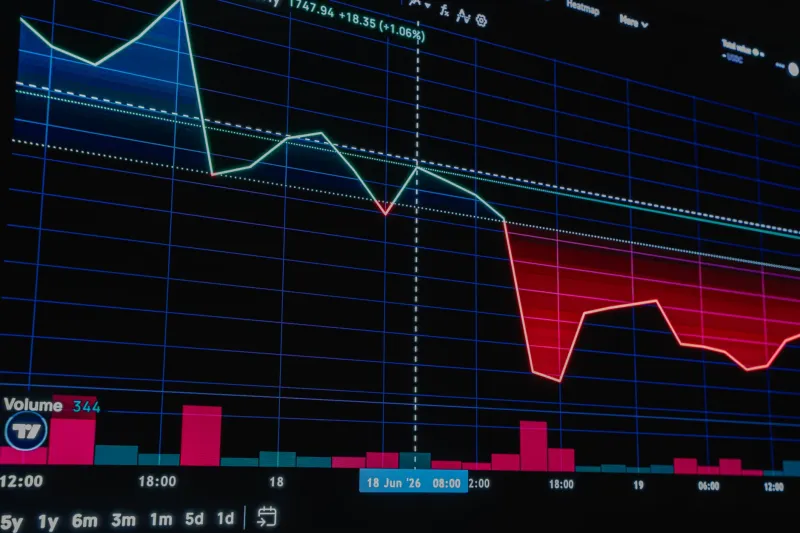
This distinction matters enormously. An employee who accepted an offer when Meta's share price sat at a particular level and then watched that price decline by thirty percent before their first major vesting date did not simply receive less than hoped. They received shares whose ordinary income tax liability was calculated at the vesting-day price, meaning they owed taxes on a value that, by the time they sold, may have dropped further still. This is the equity trap in its most acute form: a tax bill anchored to a higher valuation, with proceeds that may not cover it.
Understanding the difference between grant value and realized value is the first discipline every Meta employee should develop, ideally before their first vesting event rather than after it.
Tax Treatment: The Cost That Does Not Appear on the Offer Letter
RSUs at Meta are taxed as ordinary income at vesting, not as capital gains. That means your marginal federal income tax rate applies to the full value of shares the moment they vest. For employees in higher compensation brackets—and at Meta, a significant portion of the workforce qualifies—that rate can approach or exceed thirty-seven percent at the federal level alone, before accounting for state income taxes in places like California or New York.
Meta typically withholds a portion of shares at vesting to cover estimated taxes, but the withholding rate is frequently set at a statutory minimum that falls short of what higher earners actually owe. Employees who do not proactively adjust their tax withholding or set aside funds for the April filing often face unexpected shortfalls. A financial advisor familiar with equity compensation is not a luxury in this situation; it is a practical safeguard.
After vesting, any subsequent price movement is treated as capital gains—short-term if you sell within a year of vesting, long-term if you hold beyond that threshold. The long-term capital gains rate is meaningfully lower for most taxpayers, which creates a legitimate reason to hold shares after vesting. But that benefit evaporates if the stock declines during the holding period, and it must be weighed against concentration risk.
The Psychology of Holding: Why Employees Overestimate Their Own Patience
Beyond the mechanics, there is a behavioral dimension to the equity trap that receives insufficient attention in most compensation guides. Meta employees who believe deeply in the company's long-term trajectory—and many do, with good reason—tend to conflate institutional confidence with sound personal financial planning. These are not the same thing.
Holding a concentrated position in a single employer's stock while also drawing a salary from that same employer creates a compounded exposure that most financial planners would flag immediately. If Meta's business faces headwinds, the employee may simultaneously see their equity decline and face uncertainty about their role. Diversification is not a vote of no confidence in the company; it is a recognition that personal financial security should not be entirely dependent on one outcome.
The refresh grant cycle at Meta—typically annual performance-based grants for employees who meet or exceed expectations—reinforces the holding impulse. Employees reason that selling now means missing the next tranche's upside. But this logic can perpetuate indefinite concentration, with each new grant becoming a reason to delay action on the previous one.
Refresh Grants: Leverage You May Not Be Using
Refresh grants are often treated as a bonus rather than a negotiating instrument. That framing leaves value on the table. Employees who have demonstrated strong performance, who are being courted by competitors, or who are navigating a role change within Meta are frequently in a stronger position to negotiate the size and timing of refresh grants than they realize.
The key is timing and documentation. Approaching a refresh conversation immediately after a strong performance review, with specific evidence of impact and a clear articulation of future contribution, produces better outcomes than waiting for the standard cycle. Managers at Meta generally have some discretion in advocating for larger or accelerated grants, but they require the business case to make that advocacy internally.
Employees who receive competing offers from other technology employers and choose to stay at Meta often negotiate refresh grants as part of the retention conversation. This is standard practice, not an aggressive tactic, and HR teams at Meta are accustomed to it.
A Framework for Deciding When to Sell
There is no universal answer to the sell-versus-hold question, but there are useful principles. First, establish a target allocation: what percentage of your total net worth do you want tied to Meta equity? Many financial planners suggest keeping any single stock below ten to fifteen percent of a diversified portfolio. If your current holdings exceed that threshold, a systematic selling plan makes sense regardless of your conviction about the stock's direction.
Second, treat vesting events as default decision points rather than automatic holds. At each vesting date, consciously evaluate your position rather than defaulting to inaction. Inaction is itself a choice, and it should be made deliberately.
Third, model the tax impact before you act. The difference between selling shares held for eleven months versus thirteen months can be meaningful at higher income levels. Running the numbers—or having an advisor run them—before executing a sale is time well spent.
Finally, separate your financial planning from your professional identity. Selling a portion of your Meta shares is not a signal about your commitment to the company. It is a rational response to the concentration risk that comes with any equity-heavy compensation package. The employees who build durable wealth from their time at Meta are generally those who treat equity as a financial asset to be managed, not a loyalty pledge to be honored.